
Commercial Architecture to Protect, Adapt and Grow
Most programmes do not fail because of engineering alone. They come under pressure when the commercial architecture around delivery is not strong enough to support the work being done.
These case studies show the principle in practice: when commercial architecture is understood and corrected, organisations can restore control, protect value and make better decisions under pressure.
Commercial Architecture in Practice
Our Case Studies
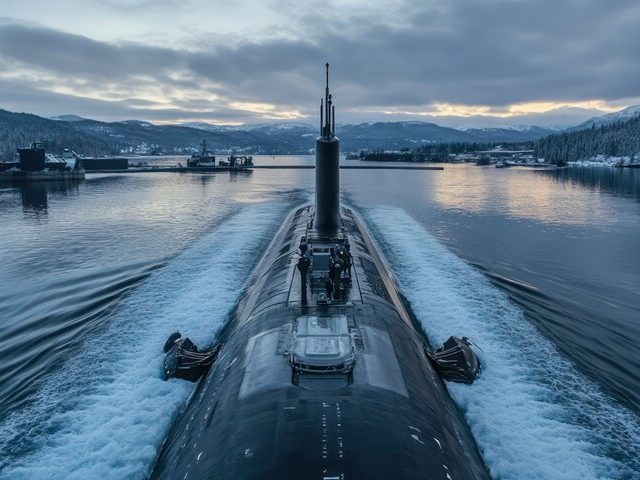
The programme wasn't out of control because of delivery. It was out of control because nobody could explain its true commercial position.
A strategic defence infrastructure programme had reached a point where forecast costs exceeded 300% of the original Target Price, while unreliable reporting had removed confidence in its true position.
MBY rebuilt cost forecasting, commercial controls and contractual governance, enabling a renegotiated Target Price, agreed scope changes and supplier recoveries.

Operational efficiencies were being delivered every day, yet the contract continued to lose money.
A portfolio of offshore maintenance contracts was delivering operational efficiencies every day, yet continuing to lose money commercially.
MBY redesigned the commercial architecture across the portfolio, increasing realised savings from £3m to £13m while strengthening the client–contractor relationship.

The work on site was succeeding. The commercial position was not.
Commercial reporting, contractual governance and operational delivery were no longer telling the same story.
Independent commercial oversight re-established the link between contract entitlement and delivery reality, recovering £3m in variations and supporting a £10m contract extension.

Three organisations were solving the same problems at the same time.
An offshore FPSO operation was carrying unnecessary cost because responsibility, effort and decision-making had become fragmented across the organisations involved.
MBY redesigned the commercial and delivery model, creating a more collaborative operating structure that reduced annual operating costs by £15m and protected approximately £400m of future revenue.
The case studies presented here reflect work undertaken in commercially sensitive and highly regulated environments. Identifying details have been removed to protect confidentiality, while the commercial challenges, interventions and outcomes remain an accurate representation of the work delivered.